
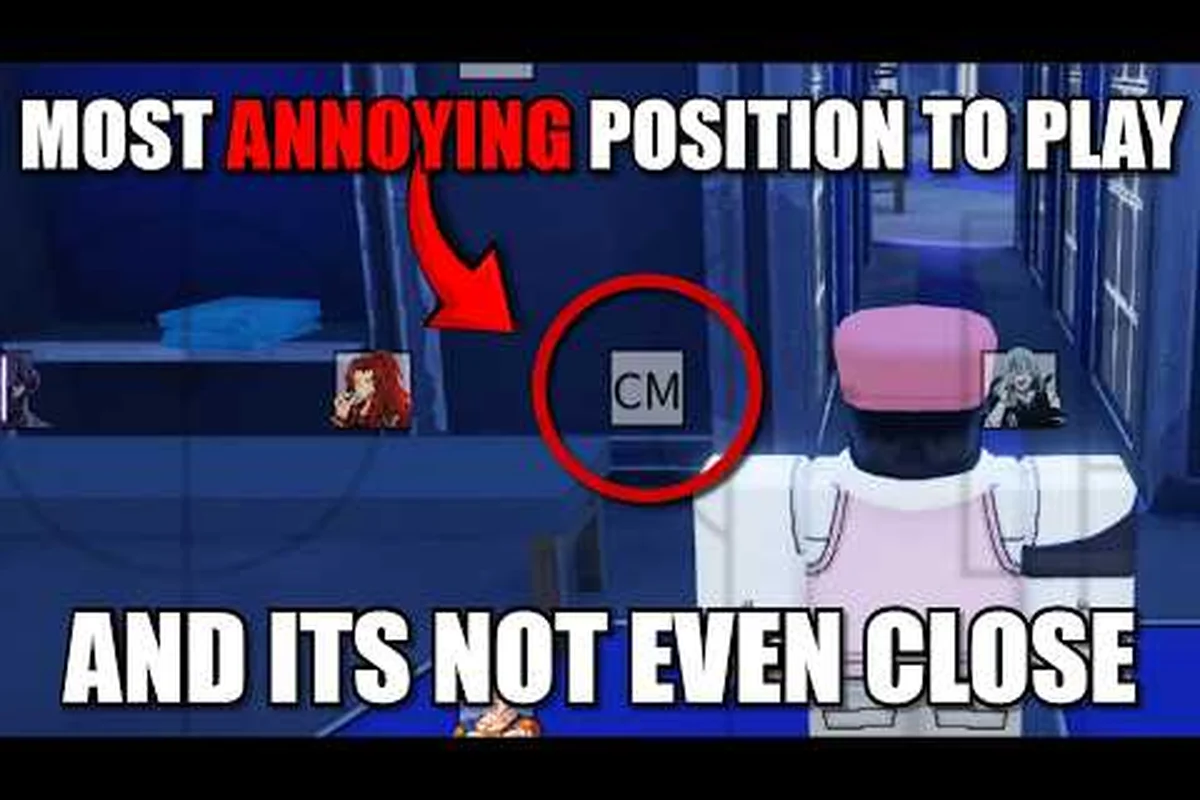
Eleven-a-side football inside Azure Latch is decided less by individual flair than by how well a squad reads the same tactical script, and that is exactly what separates organised groups from the rest of the pack. A solid Azure Latch team strategy blends role discipline, a shared understanding of Flow, and a guild structure that keeps players practising on the same schedule. This guide covers the positions and what each one owes the team, how Flow and the game's linked special moves reward coordination, how to set up a guild using the documented costs, and the communication habits that turn a random lobby into a working side.
Core Roles and Why Coordination Wins Matches
The foundation of any Azure Latch team strategy is making sure every area of the pitch has a player whose role fits the job. Positions are chosen during the short intermission before a match, and a side that fills all of them cleanly will usually beat a side of better individual players who are all standing in the same place.
The Five Positions Every Squad Fields
Each player picks from five roles, and organised groups try to cover all of them rather than stacking attackers or defenders. Ranked unlocks at 500 goals or 250 saves, and the ladder starts at Bronze. A guild costs 10,000 Cash to create and 5,000 to upgrade, with a 30-member cap.
| Position | Primary Job | What The Team Loses Without It |
|---|---|---|
| Central forward | Finish chances and occupy the last line | Possession has no end product |
| Left wing | Provide width, cross, beat a defender | The left channel empties |
| Right wing | Provide width on the right, deliver balls in | Attacks become one-dimensional |
| Central midfielder | Link defence to attack, win the ball back | The middle becomes a highway |
| Goalkeeper | Stop shots and clear the danger | Every counter becomes a chance |
A balanced side usually runs one central forward, two wide players, a central midfielder and a goalkeeper, with substitutes covering the roles that matter most for the format. The exact mix depends on whether you are playing 6v6 or 11v11, but the principle holds in both: nobody should be occupying a teammate's zone, and nobody should be the only player capable of doing their job.
Why Role Discipline Beats Individual Skill
Even the best attacking player in the lobby will struggle if nobody is delivering the ball, and the cleanest tackler cannot cover the whole halfway line alone. Role discipline is the cheapest edge available because it costs nothing but attention: a defender who holds the line prevents the counter, and a winger who stays wide keeps the pitch stretched. Teams that commit to their zones from kickoff to the final whistle concede fewer easy chances than teams that improvise, and because matches last only about six minutes, the difference compounds quickly over a session.
The other reason coordination wins is the Flow economy. Tackles and dribbles charge the awakening metre almost as fast as goals do, so a side that wins the ball back repeatedly generates more awakenings than a side that relies on one striker. That is a team property rather than an individual one, which is why a coordinated group of average players so often beats a talented group of individuals.
Building a Composition That Fits Your Squad
Once the roles are understood, the next step is deciding how your group wants to play. Azure Latch does not publish preset formations, and the formation diagrams circulating in community posts are community inventions rather than documented systems. What you can control is how your side balances risk: how high the wide players push, how many bodies commit to a press, and how quickly the team drops when possession is lost.
The Balance You Are Actually Choosing
Every squad is really picking a point between two extremes: pressing high to win the ball early, or sitting deeper and hitting on the break. The right answer depends on your goalkeeper and your defenders, because a high press with a slow back line concedes exactly the chances it is trying to prevent.
| Approach | What It Needs | What It Risks |
|---|---|---|
| Press high | Fast, committed defenders and a vocal midfielder | Balls played in behind the line |
| Hold a mid block | Disciplined wide players who track back | Sustained pressure without turnovers |
| Sit deep and counter | Clinical finishing and quick transitions | Long spells without the ball |
The one adjustment every squad should rehearse is what happens immediately after losing possession, because that is when most goals are conceded. A team that drops into shape within a few seconds removes the counter-attack lane that a disorganised press leaves open.
Reading the Opponent Mid-Match
A useful team strategy treats the opening minutes as information rather than a fixed plan. Watch where the opponent's midfielder positions, whether they overload one channel, and whether their forwards drop deep to receive. Answering those questions in chat lets your group adjust its shape rather than just its reflexes, which is the difference between a static setup and a reactive one.
Setting Up Your Guild: From Solo Play to a Real Club
A good composition means nothing if your squad cannot queue together, and that is where the guild system comes in. Guilds let a group set a roster, share callouts, lock a name and password, and scrim on a regular schedule. The costs are documented: creating a guild costs 10,000 Cash, upgrading it costs 5,000 Cash, and a guild holds up to 30 members.
How to Create a Guild in Azure Latch
The important numbers are the price and the cap, and the rest is straightforward. The Rows leaderboard is the published competitive record, and community scrims sit outside it. Seasonal ranked finishes pay exclusive MVP animations and titles rather than currency.
| Step | Action | Detail |
|---|---|---|
| 1 | Earn the entry fee | Creating a guild costs 10,000 Cash |
| 2 | Open the guild creation screen | The game prompts for a name and a password |
| 3 | Set a name and a password | The password keeps the roster private |
| 4 | Invite your core | The member cap is 30 |
| 5 | Upgrade when the roster grows | Upgrading costs a further 5,000 Cash |
Because a loss pays no Cash, the fund for a guild is built from winning sessions, which is one more reason to find the playlist where your group is strongest. The password matters as much as the name: it is what keeps the roster private while you are still recruiting, and it protects the group from random joins during a scrim block.
Picking a Name and Managing the Password
A good guild name is short, readable and easy to type in chat without autocorrect issues, and it should signal the group's identity rather than being a joke that wears thin. Two or three syllables, no awkward special characters, and a name that reads clearly on a scoreboard is the practical shape.
Treat the guild password like an account credential. Do not reuse your main account password, and avoid obvious choices such as the guild name itself or a single word. A phrase plus a number is long enough to deter random joiners while staying easy to share with recruits. Rotate it whenever the roster changes significantly, so former members cannot walk back into a scrim block unannounced.
Climbing as a Guild
There is no published leaderboard formula for guilds, so the honest way to judge progress is the same as for a player: consistency and results. A guild that holds a weekly scrim slot, fields a full side on time and rotates substitutes fairly will improve faster than one that plays sporadically, regardless of the individual skill in the roster. The visible signals worth tracking are how often the guild actually plays together, whether the same roles are filled every week, and whether new members are integrated rather than benched.
If a guild is hovering around an even record, the fix is rarely raw skill. It is almost always the same three things: clarifying who covers which position, rehearsing what happens after a turnover, and making sure the scheduled session actually happens. Those are organisational problems, and they are cheaper to solve than mechanical ones.
In-Match Communication and Positioning Calls
Composition sets the stage, but communication is what makes a team strategy work on the pitch. The squads that improve fastest use a small vocabulary of clear calls and rotate their positioning in two predictable patterns: pressing together and dropping together. Without a shared vocabulary, even a well-picked side collapses into solo play the moment the first goal goes in.
Five Callouts Every Squad Should Use
| Callout | Meaning | When To Use It |
|---|---|---|
| "Press" | Move at the ball carrier as a unit | When the opponent's midfielder receives with their back to goal |
| "Hold" | Stop pressing, drop into shape | After losing the ball in the final third |
| "Switch" | Move the ball to the opposite flank | When the opponent overloads one side |
| "Track back" | The wide player covers the full-back slot | After losing a one-on-one |
| "Through" | Play the ball into space behind the defence | When a runner times a run in behind |
Keep the vocabulary small so a new recruit can pick it up in a session. The value of a callout is not the word itself but the fact that five players react to it at the same time, which is what converts a loose ball into a controlled possession. Avoid inventing slang, because a term half the squad does not recognise is worse than no term at all.
Positioning Rules That Hold Up
Three positioning rules appear in the way most organised groups play, and they work because they cut the number of decisions each player has to make in real time. The technical side of that — movement and dash options that make a recovery tackle possible — is covered in the header and dash techniques guide.
-
Stay goal-side of your marker. If you cannot see your opponent between you and your own goal, you are out of position. Drift back until the attacker is in your line of sight.
-
Keep one defender as the spare. Even when the team presses, one central defender should hold the middle while the others step up. That spare is the safety net for an aggressive press.
-
Wide players track inside when the full-back overlaps. Otherwise the flank becomes a highway for the opponent's counter, and the cleanest setup in the lobby will still concede.
Practising those three rules in low-pressure scrims is what separates a casual group from an organised one. The reps are boring on purpose, because the moments that decide a six-minute match are usually the ones where a squad has already rehearsed the same rotation dozens of times. Treat scrim blocks as deliberate drills: pause after a conceded goal, name which rule broke, and rotate who calls the shape so the system does not live in one player's head.
Pre-Match Routine and Scrim Scheduling
The most underrated part of any team strategy is what happens before kickoff. Guilds that treat scrim night like a real training session — with a warm-up, role reminders and a short debrief — improve faster than groups that just queue and hope for the best. A predictable schedule keeps members engaged and gives new recruits a clear way in.
A Sample Weekly Scrim Block
| Day | Session | Focus | Length |
|---|---|---|---|
| Monday | In-house 11v11 | Roles locked, shape drills | 60 minutes |
| Wednesday | Scrim against another guild | Test the press and the drop | 75 minutes |
| Friday | Ranked block | Climb together with a fixed five | 90 minutes |
| Sunday | Review | Watch back, swap roles, plan next week | 45 minutes |
A group that runs three structured sessions a week will usually keep more members active than a group that plays every day without a plan, because structured sessions compound skills while unstructured sessions mostly compound frustration. Ranked unlocks at 500 goals or 250 saves, and the ladder starts at Bronze.
Funding the Squad
Running a guild is not free. Creating one costs 10,000 Cash and upgrading costs 5,000, so a group needs a reliable way to earn. Because Cash comes from wins, goals, assists, steals and ankle breaks — and a loss pays nothing — the practical approach is to bank the guild fee from sessions you were going to play anyway, then treat the upgrade as the next milestone. Players who have built out a steady cash farming routine can usually cover the fee faster than a group that grinds without a plan. Cosmetic purchases and Style rolls come out of a separate budget funded by Style Coins, which are converted from Cash at a 5:1 rate.
Adapting to Patch Changes and Meta Shifts
Azure Latch ships on roughly a monthly cadence according to the developer's own FAQ, and any team strategy that ignores the update notes falls behind within a couple of seasons. Style reworks, move changes and Flow adjustments all shift which roles and kits feel strongest, and the groups that adapt quickly are the ones that read the change and adjust one or two things rather than rewriting everything.
Tracking Changes Without Panicking
| Signal | Where To Look | How To React |
|---|---|---|
| A Style rework | The update notes | Re-test that Style in a scrim before trusting it in ranked |
| A move or cooldown change | The update notes | Adjust your combo timing rather than your whole role |
| A Flow or economy change | The update notes | Recalculate how fast your awakening comes online |
| A new mode or event | The update notes | Decide whether it trains a habit you need |
Treat each update as a small adjustment rather than a reset. Changing one or two roles and observing the result over a few scrims is the way organised groups keep their gains, while groups that flip their entire approach after every patch tend to bounce between results without ever settling. The monthly rhythm also means a single fixed review slot — the Sunday debrief in the routine above — is enough to keep a squad current, provided the review actually happens.
Frequently Asked Questions
What is the best team composition in Azure Latch?
There is no published formation system, so the honest answer is role coverage rather than a specific shape. Field a central forward, two wide players, a central midfielder and a goalkeeper, keep one defender as the spare, and rehearse what happens the moment you lose possession.
How do I create a guild in Azure Latch?
Creating a guild costs 10,000 Cash, upgrading it costs 5,000 Cash, and the member cap is 30. You set a name and a password when you create it, which keeps the roster private while you recruit. That is the whole documented rule for this point.
What makes a guild successful?
Consistency rather than raw individual skill. A guild that holds a weekly scrim slot, fields a full side on time and rotates substitutes fairly will improve faster than a group that plays sporadically, and its activity can be judged from the Rows leaderboard.
How should I communicate during a match?
Use a small vocabulary of clear calls — press, hold, switch, track back and through — and make sure everyone reacts to the same call at the same time. Five players moving on one word is worth more than five players each making their own decision.
Can I change my role mid-match in Azure Latch?
Positions are chosen during the intermission, so the cleanest approach is to announce any swap with a teammate before it happens. Reacting to a collapse by drifting out of position usually creates a bigger hole than it fixes. No additional exceptions are documented by the developer.